
Playing keno should feel like a measured pastime, not a financial gamble. Most Australians treat the tickets like a small entertainment cost, similar to a movie ticket or a casual arvo coffee, but the numbers can creep up if you are not watching the clock. The trick is to treat your spend like a marketing budget where every dollar has a job, rather than hoping luck fills the gaps. You can start by checking offers from hellspin no deposit bonus code to see if any free plays extend your session without touching your own cash. That small buffer changes how you approach the board before the first draw even starts.
Building Discipline Around Keno Budget Hacks
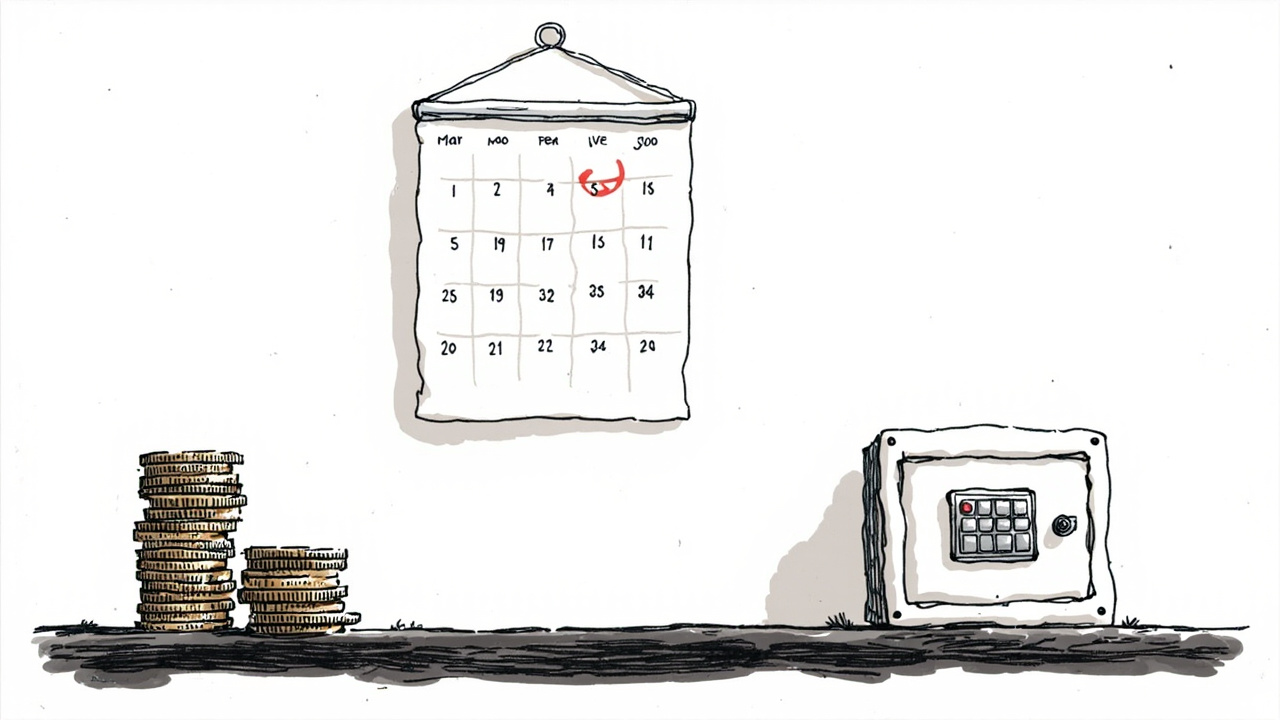
The first step is setting a hard limit before you log in, because willpower rarely holds up once the numbers start rolling. In my experience scaling retention programmes, the customers who stick around longest are the ones who set boundaries upfront and treat them like non-negotiable terms. You should decide on a weekly cap in Australian dollars and stick to it, regardless of whether a streak feels hot or cold. This is not about restricting fun; it is about ensuring the cost per session stays predictable. If you find yourself chasing losses, that is a signal to step back rather than increase the stake. A practical approach is to divide your total weekly allowance into smaller session amounts, so you never burn through everything in one sitting. This method mirrors how we structure acquisition spend, where we test small amounts before committing larger sums to a single channel. The same logic applies here: keep the entries modest until you understand the pace of the game and your own tolerance for variance.
Setting Session Caps That Stick
Session caps work best when they are tied to time as well as money. You might allow yourself twenty minutes per session with a fixed dollar amount, knowing that the draw intervals will naturally pace your play. If the timer runs out, the session ends, even if you are mid-game. This prevents the common trap of extending play just because the interface makes it easy to keep clicking. I have seen teams use similar pacing rules to prevent burnout, and the principle translates directly to leisure spending. When you define the endpoint before you start, you remove the emotional decision-making that often leads to overspending. It also helps to use a separate payment method for entertainment, so your everyday funds remain untouched. That separation creates a clear boundary between leisure and living expenses.
Tracking Spend Without Spreadsheets
You do not need a complex ledger to keep track, but you do need a record. A simple note on your phone or a dedicated app can log each session’s start and end balance. The goal is visibility, not punishment. When you can see a weekly total, you can adjust future sessions accordingly. This is where loyalty programmes can help, provided they do not encourage you to spend more to earn points. Look for systems that reward consistent, modest play rather than high-volume wagering. If a programme pushes you to exceed your limits to reach a tier, it is working against your budget. The right structure supports your habits instead of reshaping them for the house edge.
Consistently recording these figures creates a clear audit trail that can protect you during disputes or tax reviews. Many professionals recommend consulting a trusted legal resource like this Australian legal news source when structuring your documentation practices. Keeping your logs organized from day one ultimately saves you time and reduces stress down the line.
Matching Budget Rules To Player Needs
Every player has different priorities, so the right approach depends on what you want from the game. Some people play for the occasional thrill of a decent hit, while others treat it as background entertainment during a quiet evening. Your budget should reflect that intent. If you are playing for fun, the cost should feel trivial compared to the enjoyment. If you are hoping for a return, you need to accept that the odds are structured around the house, and your budget should account for that reality. The Interactive Gambling Act 2001 in practice shapes how operators present these games, but it does not change the mathematics of the draw. You still need to manage your own exposure. I recall a conversation with Oliver Watson, Digital Acquisition Director, Coral Coast Interactive, who noted that players who set clear expectations upfront tend to report higher satisfaction, even when the outcomes are modest. That insight aligns with what we see in retention data: clarity reduces friction and keeps the experience enjoyable.
Final Thoughts
Smart keno budget hacks come down to discipline, visibility, and a clear sense of what you want from the session. When you treat your spend like a planned expense rather than an open-ended pursuit, the game stays entertaining without straining your finances. Have you found a particular method that keeps your play balanced, or do you have a tip you share with mates who want to keep things sensible? Drop a comment below or send this along to someone who could use a clearer approach.